Coffee Milk: A Unique Font for Warm, Expressive Design
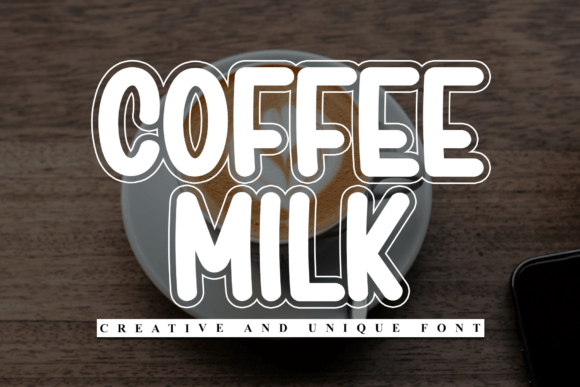
When it comes to selecting the right font for a design project, typography plays a crucial role in setting the tone and connecting with the audience. Coffee Milk stands out as a modern handwritten display font that offers a distinctive combination of elegance and approachability. Unlike many standard script fonts, Coffee Milk brings a sense of warmth and personality to the page, making it a compelling choice for designers seeking to communicate authenticity and connection.
What Sets Coffee Milk Apart
Coffee Milk distinguishes itself through its flowing strokes, graceful swashes, and balanced letterforms. These characteristics contribute to a polished script style that feels both handcrafted and refined. The font’s design evokes a sense of casual sophistication, making it ideal for projects that require a personal touch without sacrificing professionalism.
One of the defining features of Coffee Milk is its versatility. It strikes a balance between legibility and artistic flair, allowing it to work well in both short-form text and larger design elements. This makes it especially useful for branding materials, social media graphics, and lifestyle-related content where visual warmth is key.
How Coffee Milk Compares to Similar Fonts
While there are many handwritten display fonts available, Coffee Milk occupies a unique niche between casual and elegant. Compared to more formal script fonts, it maintains a relaxed, approachable feel. In contrast to overly playful or whimsical styles, it offers a more mature and professional aesthetic. This middle-ground positioning makes it suitable for a wide range of applications without leaning too heavily in one stylistic direction.
Designers often compare Coffee Milk to other script fonts that aim to replicate handwriting or brush lettering. Some alternatives may offer a bolder, more dramatic appearance, which can be ideal for attention-grabbing headlines but less suited for longer text blocks. Others may prioritize minimalism, which can result in a cleaner but less expressive look. Coffee Milk, by contrast, retains a sense of fluidity and organic movement without becoming visually overwhelming.
Strengths and Ideal Use Cases
Coffee Milk excels in contexts where warmth and personality are essential. It works particularly well for:
- Branding and logo design for boutique businesses, cafes, and lifestyle brands
- Invitations and greeting cards that convey a heartfelt, handcrafted feel
- Social media content and digital marketing materials that aim to feel personal and engaging
- Editorial design for lifestyle blogs, recipe cards, and wellness-related content
The font’s smooth curves and well-balanced spacing contribute to its readability, even in smaller sizes. This makes it more versatile than some decorative script fonts that sacrifice clarity for style.
Tradeoffs and Limitations
Despite its many strengths, Coffee Milk may not be the best fit for every project. Its handwritten aesthetic, while appealing in many contexts, may not suit more formal or corporate environments where a cleaner, more structured typeface is expected. Additionally, because it’s a display font, it’s generally best used for headings and short text rather than extended body copy.
Designers should also consider how Coffee Milk integrates with other typographic elements in a layout. Because of its expressive nature, it often works best when paired with simpler, more neutral fonts that provide contrast and balance. Using it alongside other decorative fonts can result in a cluttered or inconsistent visual hierarchy.
When Coffee Milk Is the Right Choice
If your design requires a font that feels both elegant and personable, Coffee Milk is worth considering. It’s especially effective when you want to convey sincerity, warmth, or a sense of connection with your audience. For example, a local coffee shop launching a new seasonal menu might use Coffee Milk in its promotional materials to evoke a cozy, artisanal vibe.
Similarly, wedding invitations or boutique branding projects can benefit from the font’s graceful yet accessible appearance. It helps create a design that feels intentional and handcrafted, without appearing overly formal or stiff.
When to Consider Alternatives
There are situations where a different font may serve your design goals more effectively. If you’re working on a technical document, corporate report, or minimalist website, a more neutral or sans-serif typeface may be more appropriate. In cases where high legibility across digital and print formats is the top priority, Coffee Milk may not be the most practical option.
Additionally, if your project calls for a bold, attention-grabbing style that leans more toward the dramatic or stylized end of the spectrum, you may want to explore other script fonts that emphasize contrast and dynamic strokes. Some options may offer sharper flourishes or a more pronounced calligraphic influence, which can work better in specific visual contexts.
Making the Right Typographic Decision
Choosing the right font involves more than just aesthetics—it’s about aligning typography with the message, audience, and medium. Coffee Milk offers a compelling blend of warmth and sophistication, making it a strong contender for designers seeking a handwritten display font that feels both expressive and professional.
Before committing to Coffee Milk, consider testing it in the actual context of your design. View it across different devices and sizes, and pair it with complementary fonts to ensure it supports your overall visual strategy. When used thoughtfully, Coffee Milk can elevate your design by adding a layer of personality and connection that resonates with viewers.