Rustic Grace: A Unique Blend of Boldness and Elegance in Font Design
Typography plays a crucial role in visual communication, shaping how audiences perceive and connect with a message. In a landscape filled with countless font options, Rustic Grace stands out as a distinctive design that balances strength and sophistication. This dual-typeface system offers a compelling mix of rugged display fonts and refined calligraphy, making it a versatile choice for a wide range of design applications.
Understanding the Rustic Grace Typeface Family
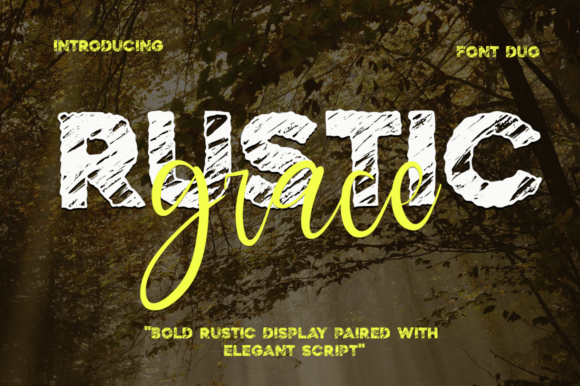
Rustic Grace is not a single font but a thoughtfully crafted duo: one bold, textured display font and one elegant script. The display typeface is intentionally sculpted to evoke a sense of authenticity and raw beauty. Its rugged edges and rich textures make it ideal for projects that require visual impact and a touch of organic charm. Meanwhile, the accompanying script offers a contrast in tone—its smooth, flowing lines reflect the precision of traditional calligraphy.
Together, these two styles form a cohesive yet dynamic pair. This duality allows designers to create layered compositions that feel both grounded and expressive. Whether used separately or in combination, the Rustic Grace fonts bring a unique character to any design project.
How Rustic Grace Fits Within the Typeface Landscape
In the broader world of typography, fonts are often categorized by their intended use and visual tone. Display fonts, like the bold component of Rustic Grace, are typically designed for headlines, posters, and branding materials where legibility at a distance is less critical than visual appeal. Script fonts, on the other hand, are often used for invitations, logos, and editorial design where elegance and personality are key.
What sets Rustic Grace apart is how it bridges these two worlds. Many font families offer a single style or a generic pairing, but Rustic Grace provides a more intentional contrast—its rugged display typeface and refined script work together to create a typographic narrative that’s both strong and graceful.
Strengths and Practical Applications of Rustic Grace
The dual nature of Rustic Grace makes it especially well-suited for design contexts that benefit from visual storytelling. Here are some of the areas where it excels:
- Branding and Packaging – The bold display font adds presence, while the script offers a refined touch, ideal for product labels, logos, and brand assets.
- Poster Design – Its high-contrast style draws attention and works well for event posters, film titles, or promotional materials.
- Social Media Graphics – The rustic aesthetic resonates with audiences looking for authenticity, making it great for quote-based posts and visual storytelling.
- Editorial Layouts – When used in magazines or books, the combination of a strong headline font and elegant body script adds depth and visual interest.
Designers who appreciate the fusion of traditional craftsmanship and modern design will find Rustic Grace particularly appealing. Its textured display font brings a tactile, almost hand-crafted feel, while the script adds a level of sophistication that keeps the overall design from feeling too rough or unrefined.
Tradeoffs and Considerations
Like any design tool, Rustic Grace is not universally applicable. While its visual impact is a major strength, it may not be the best fit for every project. For example:
- Long-form Text – The script style, while beautiful, may not be ideal for extended body copy due to its flowing, sometimes intricate letterforms.
- High Readability Needs – The textured display font can be difficult to read in smaller sizes or on low-resolution screens, making it better suited for print or large-format digital use.
- Minimalist Aesthetics – If your design leans toward clean, modern simplicity, the rustic textures and calligraphic flourishes may feel out of place.
These limitations don’t diminish the value of Rustic Grace, but they do suggest that it shines brightest in contexts where its expressive qualities can be fully appreciated.
Comparing Rustic Grace with Similar Font Options
When evaluating typefaces for a design project, it’s helpful to consider how Rustic Grace compares with other font families that offer a mix of bold and elegant styles. Some alternatives may offer a more uniform aesthetic, while others lean heavily into one style or the other. For example:
- Handwritten Script Pairs – Some font families pair a script with a simpler sans-serif or serif font. These combinations are often more versatile but may lack the dramatic contrast found in Rustic Grace.
- Decorative Display Fonts – There are many bold, textured fonts available, but few are paired with a complementary script that enhances their visual appeal.
- Traditional Calligraphy Sets – These often focus on elegance and flow but may not offer the same level of rugged visual interest that Rustic Grace brings to the table.
The key differentiator of Rustic Grace is its ability to balance two seemingly opposite design elements—strength and delicacy—into a cohesive whole. This makes it especially valuable for designers who want to create a layered, emotional response in their audience.
When to Choose Rustic Grace—and When to Look Elsewhere
If your project calls for a bold visual presence combined with a touch of elegance, Rustic Grace is a strong contender. It works especially well when:
- You’re designing for print or large-format digital media where texture and detail can be fully appreciated.
- Your brand or message leans into authenticity, craftsmanship, or storytelling.
- You want to create a typographic hierarchy that feels both powerful and refined.
However, if your design requires:
- High legibility across all screen sizes
- A minimalist or ultra-modern aesthetic
- Extensive use of body text or interface elements
...you may want to explore other font families that prioritize clarity and neutrality over visual flair.
Making the Most of Rustic Grace in Your Design Workflow
To get the best results with Rustic Grace, consider the following practical tips:
- Use the display font for headlines and accents – Let it shine in titles, logos, and visual elements where impact matters more than readability.
- Pair the script with clean, simple fonts – If you're using the script style in body text or captions, balance it with a neutral sans-serif or serif font to maintain legibility.
- Experiment with texture and layering – Since the display font has a textured look, try layering it over simple backgrounds or using it in combination with hand-drawn elements for a cohesive rustic aesthetic.
- Test across formats – Make sure to preview your design on different devices and print outputs to ensure the font maintains its intended effect.
By understanding the strengths and limitations of each style in the Rustic Grace family, you can make informed decisions that enhance your design rather than overwhelm it.
Final Thoughts on Rustic Grace
In a design world where typography often needs to do more than just convey information, Rustic Grace offers a compelling solution. Its combination of rugged display fonts and elegant scripts provides a unique visual language that can elevate branding, editorial, and social media projects. While it may not be the right choice for every application, its thoughtful design and expressive potential make it a valuable addition to any designer’s toolkit.
As with any typographic choice, the decision to use Rustic Grace should stem from a clear understanding of your project’s goals, audience, and medium. When used thoughtfully, it can help you create designs that not only communicate effectively but also resonate emotionally with your audience.