Blood Grave Font: Horror-Inspired Design Excellence
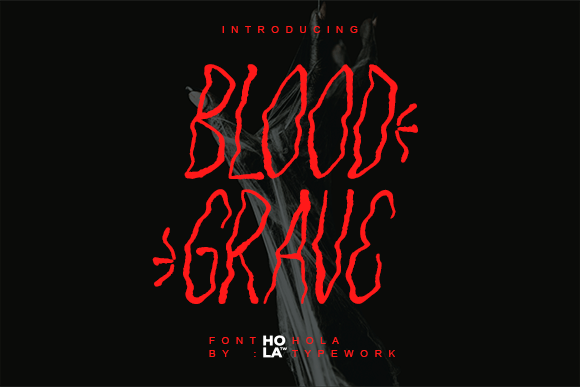
Blood Grave is a uniquely unsettling display font that merges the visceral intensity of dripping blood with the ethereal quality of ghostly horror. Its hand-drawn texture and irregular contours evoke a sense of dread and intrigue, making it a standout choice for designers working within horror, Halloween, or gothic themes. Whether you're crafting a movie title, designing merchandise, or building a brand identity around fear, Blood Grave delivers both visual impact and typographic versatility.
Typography That Sets the Tone
In visual design, typography is more than just readable text—it's a mood-setter, a storytelling device, and a branding tool. Blood Grave excels in this regard by blending organic imperfections with bold presence. Its uneven baseline and dripping effect create a dynamic tension that immediately draws attention, making it ideal for projects where atmosphere is as important as legibility.
This font shines in contexts where conventional typefaces fall flat. From horror branding logos to Halloween-themed social media graphics, Blood Grave offers a level of thematic cohesion that enhances both digital and print design. Its PUA encoding ensures that all alternate characters, ligatures, and swashes are easily accessible, allowing for rich typographic customization without technical hurdles.
Applications in Branding and Marketing
For brands rooted in horror, gothic aesthetics, or seasonal events like Halloween, Blood Grave can become a defining element of the brand identity. Used in logos, packaging, or promotional materials, it communicates a clear visual tone that aligns with the brand's thematic essence. When paired with a clean supporting font and a dark, moody color palette, the result is both professional and hauntingly memorable.
- Logo design for horror-themed brands or events
- Halloween posters and movie title cards
- T-shirt and merchandise design with a dark edge
- Spooky packaging for limited-edition products
- Social media content for seasonal campaigns
Enhancing Digital and Print Design Projects
In digital marketing and web design, the right font can dramatically influence user engagement. Blood Grave works well in UI design for themed landing pages, game titles, or event invitations where a dramatic visual hook is needed. It also adds a compelling visual hierarchy in editorial design when used for headlines or section dividers in themed publications.
For print design, this font is ideal for creating immersive experiences. Whether it's a horror anthology book cover, a convention flyer, or an invitation to a haunted house event, Blood Grave adds a tactile, hand-crafted quality that resonates with audiences seeking authenticity and visual depth.
Design Tips for Using Blood Grave Effectively
While Blood Grave is visually striking, effective use requires thoughtful integration into your overall design workflow:
- Use it sparingly—save it for headlines, titles, or key visual elements to avoid overwhelming the design.
- Pair it with minimalist sans-serif fonts for contrast and readability.
- Test scalability—ensure legibility at different sizes, especially for print or mobile UI.
- Experiment with color—dark reds, blacks, and ghostly whites enhance its eerie aesthetic.
- Consider texture overlays or ghostly effects to amplify the horror vibe in visual design projects.
By aligning typography with brand identity, audience expectations, and design goals, you ensure that Blood Grave enhances rather than distracts from your message. It's not just about looking scary—it's about communicating with visual clarity and emotional resonance.
In today's competitive creative landscape, choosing the right design elements can make or break a project. Blood Grave offers more than just style—it brings storytelling power, thematic consistency, and typographic sophistication to your creative toolkit. Whether you're a graphic designer, marketer, or brand strategist, incorporating this font into your next project can elevate your visual communication and leave a lasting impression.