Retro Design: A Vintage-Inspired Display Font for Modern Creatives
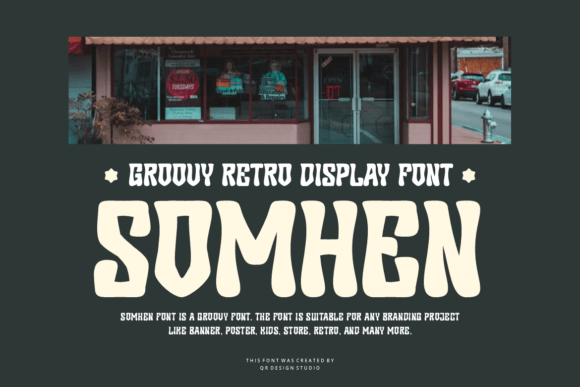
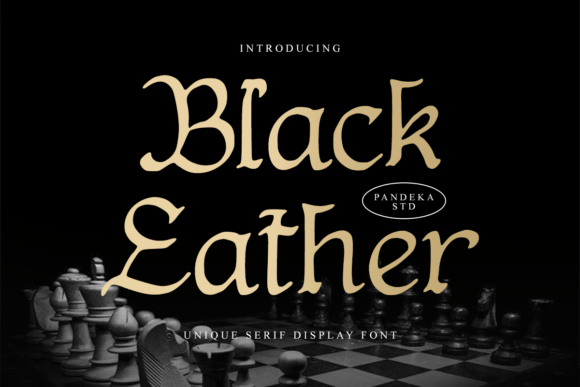
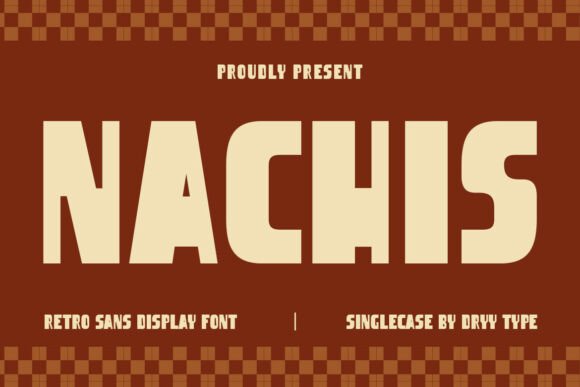
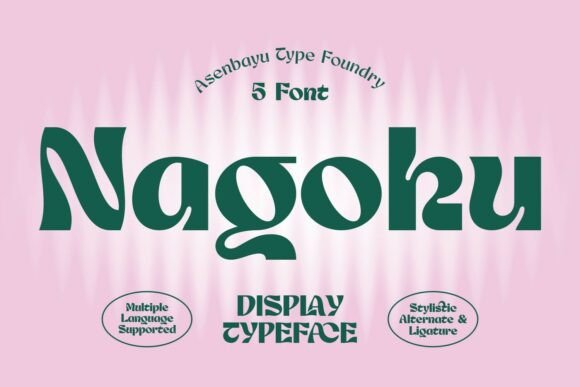
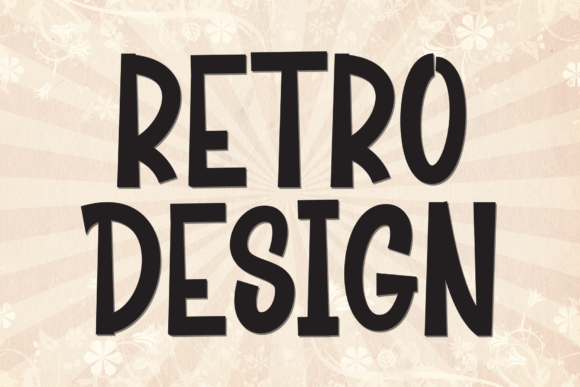
Retro Design is a bold and quirky display font that blends the charm of vintage typography with contemporary design sensibilities. With its thick strokes and playful proportions, it evokes the nostalgic feel of old-school poster fonts while maintaining a fresh and versatile appeal. This typeface has become a popular choice for designers seeking to inject personality and a touch of history into their visual projects.
What Makes Retro Design Unique?
At its core, Retro Design stands out due to its distinctive visual characteristics. The font features exaggerated letterforms, high contrast between thick and thin strokes, and often includes stylistic alternates that enhance its vintage aesthetic. These traits make it ideal for short bursts of text such as headlines, logos, and titles, where legibility is less of a concern than visual impact.
Unlike more neutral or minimalist fonts, Retro Design is expressive and attention-grabbing. It draws inspiration from mid-century design movements, including Art Deco, 1950s advertising, and classic signage. This historical grounding gives it a strong visual identity, which can be both a strength and a limitation depending on the context in which it's used.
Why Consider Retro Design?
Designers often turn to Retro Design when they want to evoke a sense of nostalgia or create a visual connection to the past. It's particularly effective in branding projects that aim to highlight heritage, authenticity, or a vintage aesthetic. Whether it's for a craft beer label, a boutique storefront, or a themed event poster, this font can help establish a distinct personality.
Its playful nature also makes it well-suited for creative industries where a sense of fun and originality is important. From social media graphics to album covers, Retro Design can serve as a central element in a design that aims to stand out from the crowd.
Key Benefits of Using Retro Design
- Visual Impact: Its bold, distinctive appearance ensures it catches the eye and communicates confidence and character.
- Nostalgic Appeal: It can evoke positive emotional responses by reminding audiences of past eras they associate with fond memories.
- Versatility in Themes: While rooted in vintage styles, Retro Design can be adapted to modern layouts and color schemes, offering a bridge between old and new.
- Brand Differentiation: In crowded markets, using a unique typeface like Retro Design can help a brand stand out and be more memorable.
Considerations and Potential Drawbacks
Despite its many strengths, Retro Design is not a one-size-fits-all solution. Its stylized nature means it may not be appropriate for every design context. For example, it's generally unsuitable for long-form text or professional documents where readability and subtlety are more important than flair.
Overuse or improper pairing can also lead to designs that feel dated or unprofessional. Because of its strong personality, Retro Design should be used thoughtfully and balanced with simpler elements to avoid overwhelming the viewer. Additionally, not all variations of the font are created equal—some may lack the character sets or language support needed for international projects.
When Retro Design Is a Strong Fit
Retro Design shines in situations where visual storytelling and emotional resonance are key. It works especially well in the following scenarios:
- Branding for Retro-Inspired Businesses: Independent coffee shops, vinyl record stores, and vintage fashion boutiques often use this font to reflect their aesthetic and attract like-minded customers.
- Poster and Print Design: Whether for concerts, film screenings, or local events, Retro Design adds energy and a sense of timelessness to printed materials.
- Social Media Graphics: On platforms like Instagram and Pinterest, where visual appeal drives engagement, this font can elevate the look of promotional posts and stories.
- Product Packaging: Especially in food, beverage, and lifestyle industries, Retro Design can communicate craftsmanship and nostalgia, which often resonate with consumers.
When to Consider Alternatives
While Retro Design has a clear niche, there are cases where a more restrained or flexible typeface may be better suited to the task. For instance, in corporate or academic settings, a cleaner sans-serif or serif font may be more appropriate to convey professionalism and clarity.
If a project requires multilingual support or extensive typographic customization, designers may want to explore alternatives that offer broader character sets or variable font options. Similarly, for digital interfaces or mobile applications, readability and scalability across screen sizes should be prioritized over stylistic flair.
Practical Insights for Decision-Making
When evaluating whether Retro Design is right for your project, consider the following factors:
- Target Audience: Does your audience appreciate vintage aesthetics or respond positively to nostalgic cues? If so, Retro Design could enhance your message.
- Usage Context: Will the font be used for headlines, logos, or short text blocks? If yes, Retro Design is likely a good fit. If you need it for body text or formal documents, consider alternatives.
- Brand Identity: Does your brand voice align with boldness, playfulness, and individuality? If so, this font can reinforce your brand personality.
- Pairing Potential: Think about how Retro Design will work with other fonts and design elements. It often pairs best with clean, minimal sans-serif fonts to balance its expressive nature.
Final Thoughts
Retro Design offers a compelling blend of historical charm and modern adaptability, making it a valuable asset for designers aiming to create memorable and emotionally resonant visuals. However, its effectiveness depends heavily on the context in which it’s used. By understanding its strengths and limitations, and by aligning its use with your project's goals and audience expectations, you can make an informed decision about whether this typeface is the right choice for your creative work.