Somhen: Retro Display Font with Vintage Vibe for Modern Designers
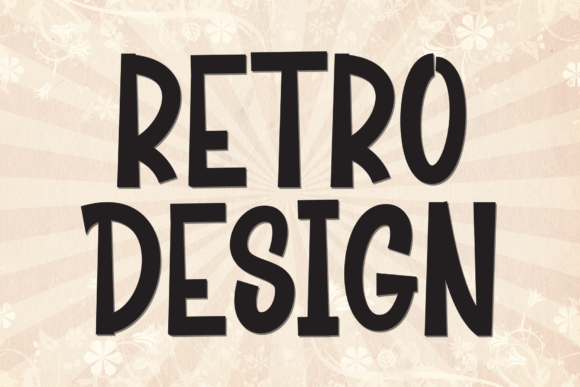
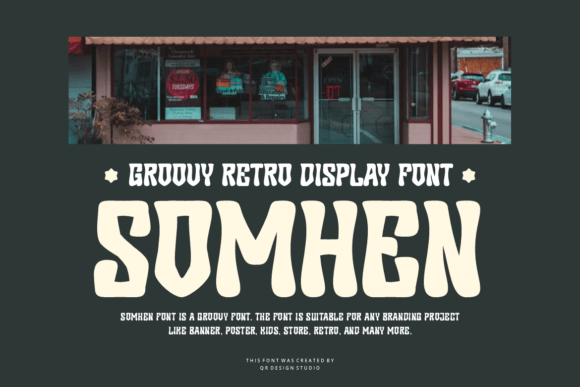
If you're looking to inject a sense of nostalgic charm into your design work, Somhen might just be the typeface you've been waiting for. This bold, groovy retro display font brings the chunky curves and playful personality of 70s design into today’s creative landscape. Whether you're working on posters, storefront branding, kids’ projects, or eye-catching banners, Somhen offers a distinctive aesthetic that stands out without overwhelming the message.
Why Designers Choose Somhen
Many creatives are drawn to Somhen for its unique blend of vintage appeal and modern usability. Its quirky letterforms and strong visual presence make it ideal for projects that demand attention while maintaining a sense of fun and warmth. It’s especially popular among entrepreneurs and small business owners looking to differentiate their brand through typography that feels both familiar and fresh.
Common Mistakes When Using Somhen
Despite its appeal, there are several common pitfalls designers and business owners run into when using Somhen. These mistakes can affect readability, brand perception, and even the overall effectiveness of a design project.
1. Overusing the Font in Long Text
Somhen is a display font, which means it's best suited for headlines, logos, and short bursts of text. Trying to use it for body copy or long paragraphs can lead to poor readability and visual fatigue. The playful curves that make it stand out in a headline can become distracting when repeated across multiple lines.
Better approach: Reserve Somhen for titles, callouts, or short slogans. Pair it with a clean sans-serif or serif font for supporting text to maintain balance and legibility.
2. Ignoring Licensing Restrictions
One of the most overlooked details when downloading or purchasing fonts like Somhen is the licensing agreement. Some versions of the font may be free for personal use but require a commercial license for branding, marketing materials, or products intended for sale.
Better approach: Always check the license terms before using Somhen in any project that generates revenue or represents a business. If you're unsure, reach out to the font creator or vendor for clarification.
3. Poor Color and Background Choices
The bold, chunky nature of Somhen means it can easily get lost against busy backgrounds or in low-contrast color schemes. Using the font in white on a light background or in a bright color on a similarly vibrant background can reduce legibility and impact.
Better approach: Opt for high-contrast combinations. For example, use dark lettering on a light background or vice versa. Avoid placing the font over complex patterns or textures unless you're confident it will remain readable.
4. Assuming It Works for Every Design Style
While Somhen has a strong personality and a retro charm, it’s not a one-size-fits-all solution. Attempting to use it in minimalist or ultra-modern designs may result in a mismatched aesthetic that confuses the viewer rather than engaging them.
Better approach: Use Somhen when your project calls for a nostalgic, fun, or expressive tone. For more contemporary or formal designs, consider a different typeface that better aligns with the intended mood.
What to Check Before Downloading or Buying Somhen
Before you commit to using Somhen in your next project, there are a few key considerations to keep in mind. These will help ensure that your use of the font is both effective and appropriate.
- Font Style and Weights: Check whether the font includes multiple weights (like bold, regular, or light) or alternative characters that can add flexibility to your design.
- Licensing Clarity: Make sure you understand what you're allowed to do with the font—especially if it's for commercial use or included in a product you plan to sell.
- Character Set: If your project includes non-English text or special symbols, verify that Somhen supports the necessary characters and diacritics.
- Vendor Reputation: Download fonts from reputable sources to avoid issues with malware, poor quality, or mislabeled files.
Pairing Somhen with Other Fonts
One of the keys to using Somhen effectively is knowing how to pair it with complementary fonts. Because of its strong presence, it works best when balanced with something more neutral and readable.
Good pairings include:
- Montserrat – for a clean, modern sans-serif contrast.
- Playfair Display – for a touch of elegant serif styling.
- Roboto – for a versatile and approachable sans-serif.
These combinations allow Somhen to shine without overpowering the overall design. The goal is to create a visual hierarchy where each font plays a distinct role.
Real-World Applications of Somhen
Many small businesses and independent creators have found success using Somhen in branding and promotional materials. For example, a boutique ice cream shop might use Somhen in its logo and signage to evoke a sense of playful nostalgia. Similarly, a children's book illustrator might use the font for chapter titles or character names to add whimsy and visual interest.
In each case, the font is used intentionally and sparingly to maintain clarity and reinforce the brand’s tone.
Conclusion: Making the Most of Somhen
Somhen is a versatile and expressive typeface that can elevate your design work when used thoughtfully. By understanding its strengths and limitations, you can avoid common missteps and ensure your projects communicate the right message with style and professionalism. Always test your designs in context, double-check licensing, and consider how the font contributes to the overall tone of your work. With these tips in mind, you’ll be well on your way to making the most of this fun and distinctive retro font.