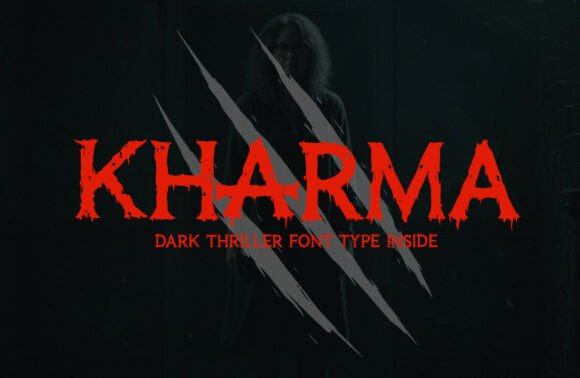
Kharma: A Font That Haunts the Imagination
In the world of typography, few fonts manage to evoke such a visceral reaction as Kharma. Designed with a dark, brooding aesthetic, this horror-themed typeface blends eerie elegance with raw intensity. Whether you're crafting a movie poster, a book cover, or a game title, Kharma brings a sense of dread and fascination that few other fonts can match. But beyond its chilling visuals, what makes Kharma stand out? And how can designers, creators, and business owners use it effectively?
The Anatomy of Fear: What Makes Kharma Unique
Kharma isn't just another decorative font. It's a carefully crafted typographic experience that immerses the viewer in an atmosphere of darkness. The font's jagged edges, uneven strokes, and distressed textures combine to create a sense of age and decay, as if the text were carved from stone or scribbled in blood. This level of detail makes Kharma ideal for projects that require more than just visual appeal—they demand emotional resonance.
- Jagged edges that mimic hand-drawn or scratched letterforms
- Uneven strokes that add a sense of unpredictability and tension
- Distressed textures that evoke the look of aged parchment or weathered tombstones
Despite its intense design, Kharma maintains a surprising level of readability. This balance between legibility and style is crucial for projects that need to communicate a message clearly while still delivering a powerful visual punch.
Who Benefits from Using Kharma?
Kharma appeals to a wide range of users, from independent creators to marketing professionals. Here are some of the key audiences who might find Kharma to be the perfect fit:
- Graphic designers working on horror-themed branding or promotional materials
- Authors and publishers looking to design compelling covers for gothic novels or dark fantasy books
- Game developers aiming to create immersive titles and UI elements for horror or mystery games
- Marketing teams crafting seasonal campaigns for Halloween or other spooky-themed promotions
Its versatility makes Kharma a valuable asset for anyone needing to convey a sense of dread, mystery, or supernatural intrigue. However, it's important to consider the context in which it's used—Kharma isn't suited for every project, and understanding its limitations is key to using it effectively.
Where to Use Kharma for Maximum Impact
When it comes to typography, context is everything. Kharma shines brightest in environments where its horror-inspired design can truly stand out. Consider these applications:
- Movie posters – Kharma’s dramatic presence can make a title feel more ominous and unforgettable.
- Book covers – From horror novels to occult-themed nonfiction, Kharma helps set the tone before a single word is read.
- Game titles and UI elements – Whether it’s a game’s logo or in-game text, Kharma enhances the atmosphere of fear and suspense.
- Event flyers and promotional materials – Halloween events, haunted house attractions, and horror conventions can all benefit from Kharma’s chilling aesthetic.
However, Kharma is best used in headlines, titles, and short bursts of text. Due to its ornate nature, it's not ideal for long paragraphs or body text where readability is crucial.
Strengths and Limitations of Kharma
Like any design tool, Kharma has its strengths and weaknesses. Understanding these can help ensure it's used to its fullest potential:
Strengths:- Highly atmospheric and emotionally evocative
- Excellent for short-form, attention-grabbing text
- Unique blend of elegance and horror
- Works well with dark or supernatural themes
- Less readable in longer text blocks
- May not be suitable for professional or corporate branding
- May require additional spacing or kerning for optimal visual balance
Designers should also be aware of licensing considerations. Before using Kharma commercially, ensure that the font is properly licensed for your intended use. Some fonts are free for personal use but require a paid license for commercial applications.
Real-World Examples of Kharma in Action
Seeing Kharma in use can help illustrate its impact. Here are a few practical examples:
- A horror movie poster for a film titled “Whispers in the Dark” uses Kharma for the main title, creating a sense of unease and intrigue that pulls viewers in.
- An independent author chooses Kharma for the cover of their supernatural thriller, giving the book a distinctive edge in a crowded market.
- A video game developer incorporates Kharma into the title screen and in-game text of a survival horror game, reinforcing the game's eerie atmosphere.
In each of these cases, Kharma isn't just a design choice—it's a storytelling tool that enhances the overall experience.
Evaluating Kharma for Your Project
Before diving into a project with Kharma, ask yourself the following questions:
- Does the tone of my project align with the dark, horror-inspired aesthetic of Kharma?
- Will the text be used in short bursts (like a title or header), or will it need to be readable in longer sections?
- Am I using Kharma in a way that complements the rest of my design, rather than overwhelming it?
- Have I checked the licensing terms to ensure I can use Kharma legally for my intended purpose?
If the answers point toward a positive fit, Kharma could be the perfect typographic companion for your next design endeavor.
Conclusion: When Kharma Fits, It Leaves a Lasting Impression
Kharma is more than just a font—it's a mood, a tone, and a statement. For those working in horror, mystery, or the supernatural, it offers a powerful way to visually communicate the essence of their project. Whether you're a designer, writer, or marketer, Kharma can help elevate your work when used thoughtfully and appropriately.
Remember, typography is a critical component of visual storytelling. Kharma gives you the tools to tell a story that lingers long after the eyes have moved on. Used wisely, it doesn’t just say something—it haunts it.