Father Happy: A Font That Brings Joy to Design
In a digital landscape increasingly dominated by sleek minimalism and polished typography, the rise of handwritten display fonts like Father Happy offers a refreshing counterbalance. This amiable, expressive typeface brings a sense of warmth and personality that resonates with audiences across design disciplines. Whether used in branding, social media visuals, or printed materials, Father Happy stands out as a go-to option for creators aiming to inject a light-hearted and jovial tone into their work.
Why Handwritten Fonts Are Making a Comeback
As consumer preferences shift toward authenticity and emotional connection, the design world has responded with a renewed appreciation for humanized, handcrafted elements. In this context, Father Happy fits seamlessly into a broader trend where audiences favor brands and creators that feel approachable and sincere. Unlike rigid, machine-rendered typefaces, handwritten fonts like Father Happy evoke a sense of intimacy and spontaneity, making them particularly effective in content that seeks to build trust and engagement.
This trend is especially visible in the rise of personal brands, small businesses, and independent creators who rely on visual storytelling to differentiate themselves. For these users, Father Happy serves as more than just a font—it’s a tool for crafting a distinct voice and visual identity that feels both unique and relatable.
Design Characteristics That Set Father Happy Apart
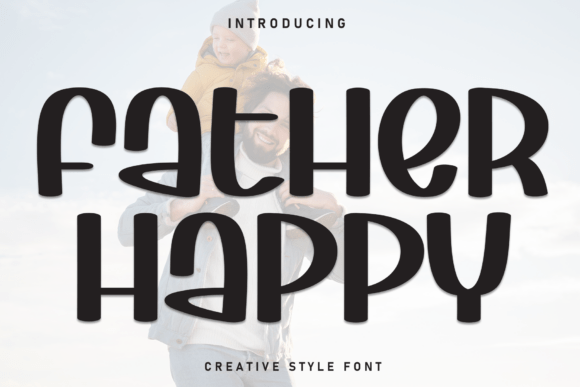
At first glance, Father Happy captures attention with its playful, slightly irregular letterforms that mimic natural handwriting. Each character is carefully crafted to maintain legibility while preserving a whimsical charm. The font’s rounded edges, uneven baselines, and subtle variations in stroke weight contribute to its organic, hand-drawn appearance.
What makes Father Happy particularly versatile is its ability to adapt across a range of design contexts. It works beautifully in:
- Wedding invitations and event announcements
- Children’s book illustrations and educational materials
- Brand logos and packaging for boutique products
- Social media graphics and digital marketing assets
- Personalized greeting cards and DIY projects
Its inherent friendliness makes it ideal for projects that aim to convey warmth, joy, and a sense of lightheartedness—qualities that are increasingly valued in both personal and commercial design.
Practical Applications for Designers and Creators
For graphic designers, illustrators, and content creators, Father Happy offers a flexible solution that bridges the gap between casual and professional aesthetics. It can be used as a primary headline font or as a supporting element to add visual interest and personality to a layout.
Consider the following use cases:
- Wedding and Event Design: Couples seeking a romantic yet playful aesthetic often turn to handwritten fonts to personalize their stationery. Father Happy adds a touch of whimsy to save-the-date cards, menu boards, and thank-you notes.
- Educational and Children’s Content: Teachers and educational content creators can use the font to make learning materials more engaging. Its approachable style helps reduce the intimidation factor of formal typography, especially for younger audiences.
- Brand Identity: Small businesses and startups in lifestyle, wellness, and creative industries often leverage Father Happy for logo design, packaging, and promotional materials to convey a sense of approachability and authenticity.
Its adaptability across mediums—from print to digital—makes Father Happy a valuable asset for any designer looking to create emotionally resonant visuals.
How Father Happy Fits Into Modern Workflows
With the rise of remote work and digital collaboration, the demand for accessible, easy-to-use design tools has surged. Platforms like Canva, Adobe Express, and Figma have made it possible for non-designers to create professional-grade visuals. Fonts like Father Happy are increasingly integrated into these platforms, enabling users to elevate their designs without needing advanced typographic knowledge.
Moreover, as brands and creators focus more on storytelling and emotional engagement, the need for expressive typefaces has grown. Father Happy provides a way to stand out in a crowded digital space without sacrificing clarity or professionalism. Its use in social media posts, email newsletters, and branded illustrations helps maintain a consistent and personable tone across touchpoints.
Choosing the Right Context for Father Happy
While Father Happy is undeniably charming, it’s important to consider its suitability for different design contexts. Like any display font, it shines brightest when used sparingly and with intention. Overuse—especially in long blocks of text—can diminish readability and dilute its impact.
Designers are advised to pair Father Happy with clean, simple sans-serif or serif fonts to maintain visual balance. For example, using it for headlines or accents in combination with a neutral body font ensures clarity while preserving the font’s expressive qualities.
Additionally, Father Happy works best in projects with a warm, informal, or nostalgic tone. It may not be the ideal choice for highly formal or technical communications, where clarity and structure are prioritized over emotional appeal.
Looking Ahead: The Future of Playful Typography
As design continues to evolve, the role of typography in shaping emotional experiences will only grow. The popularity of handwritten fonts like Father Happy reflects a broader cultural shift toward valuing authenticity, individuality, and emotional resonance in visual communication.
Future trends may see an increase in variable fonts that offer even more flexibility in expressing tone and personality. However, for now, Father Happy remains a standout option for those who want to convey joy, warmth, and a sense of lightheartedness in their creative work.
Whether you're a seasoned designer or a hobbyist looking to add a personal touch to your next project, Father Happy offers a timeless, versatile solution that brings a smile to both creators and audiences alike.