Dirty Novel: A Bold Typeface Bridging the Retro and Modern Design Landscape
Typography plays a pivotal role in shaping how visual content is perceived, and in recent years, there has been a resurgence of fonts that evoke a sense of nostalgia while maintaining a modern edge. Among these, Dirty Novel stands out as a distinctive typeface that channels the exuberance of the 80s and 90s, blending it seamlessly with contemporary design sensibilities. Whether you're crafting a music poster, rebranding a business identity, or designing editorial content, Dirty Novel offers a compelling solution for those seeking to make a visual impact.
Understanding the Aesthetic Appeal of Dirty Novel
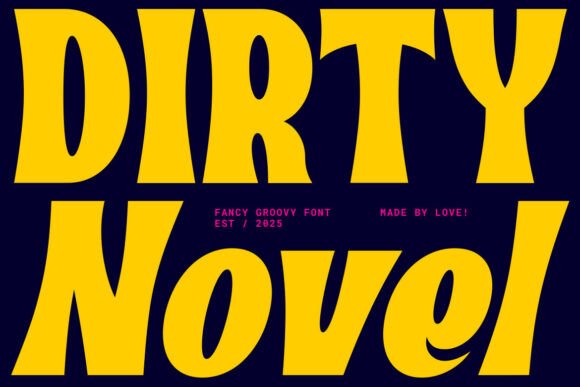
At first glance, Dirty Novel captures attention with its bold, expressive character set. The typeface doesn't shy away from drama—it leans into it. Its design is rooted in the visual culture of the late 20th century, where design was often unapologetically vibrant and experimental. The font's letterforms feature exaggerated strokes, subtle distressing, and a confident slant that gives it a dynamic personality. This aesthetic is not just about looking retro; it's about evoking the emotional resonance of an era known for its creativity and individuality.
The two available styles—Regular and Slant—allow for nuanced applications. The Regular style offers a balanced, authoritative presence, ideal for headlines or branding elements that demand clarity and strength. The Slant version, on the other hand, introduces a sense of motion and urgency, making it perfect for projects that require a more energetic or rebellious tone.
Applications in Branding and Visual Identity
One of the most powerful uses of Dirty Novel is in the realm of branding. In a world where standing out is essential, this typeface provides a unique voice for brands looking to differentiate themselves. Consider a boutique music label that wants to evoke the golden age of vinyl records and cassette tapes—Dirty Novel can become the cornerstone of its visual identity, appearing across album covers, promotional materials, and digital platforms.
Its assertive appeal makes it especially effective for lifestyle, fashion, and entertainment brands that want to communicate confidence, creativity, and a touch of rebellion. When used strategically, Dirty Novel can help create a cohesive brand voice that feels both nostalgic and fresh, appealing to audiences who appreciate authenticity and bold design choices.
Dirty Novel in Editorial and Print Design
In editorial design, typography often dictates the tone of the content. Magazines, zines, and posters benefit greatly from the expressive nature of Dirty Novel. It works exceptionally well in headlines, pull quotes, and section dividers where a strong typographic presence is desired. The font’s retro-modern sophistication ensures that it doesn't feel outdated but instead contributes to a layered, curated aesthetic.
For example, a retro-themed fashion magazine might use Dirty Novel in its masthead to immediately communicate its editorial direction. Similarly, a concert poster for a synthwave artist could leverage the font's flair to align with the genre’s visual and auditory style. These applications show how Dirty Novel can serve both functional and emotional design goals.
Use in Digital Media and User Interfaces
While Dirty Novel is not typically suited for long-form body text due to its decorative nature, it shines in digital contexts where visual hierarchy is key. Website headers, app splash screens, and social media graphics can all benefit from its bold presence. Digital designers often use it to create contrast against minimalist layouts, allowing it to stand out without overwhelming the user experience.
It's particularly effective in promotional banners, video thumbnails, and mobile app icons where attention-grabbing typography is essential. When paired with clean, modern sans-serif fonts for body text, Dirty Novel can help create a balanced and visually engaging interface that feels both curated and intentional.
Considerations for Effective Use
Despite its many strengths, Dirty Novel is not a one-size-fits-all solution. Its expressive nature means it should be used thoughtfully to avoid visual fatigue or misalignment with the overall design intent. Here are a few practical considerations:
- Pairing with Other Fonts: To maintain readability and balance, pair Dirty Novel with simpler, more neutral fonts. This ensures that the overall design doesn't become visually overwhelming.
- Color and Contrast: The font works best when there's a strong contrast between the text and background. High-contrast color schemes enhance its dramatic effect and ensure legibility.
- Contextual Appropriateness: While Dirty Novel is versatile, it may not be suitable for every project. It's best suited for creative, entertainment-focused, or lifestyle-related content rather than formal or technical applications.
Who Should Use Dirty Novel?
Designers and creators who are looking to inject personality and character into their work will find Dirty Novel to be a valuable asset. It's particularly well-suited for:
- Graphic Designers: Especially those working on print media, posters, or branding projects that benefit from a nostalgic or edgy aesthetic.
- Marketing Professionals: Who need to create eye-catching promotional materials or campaign visuals that stand out in crowded digital spaces.
- Content Creators: Including YouTubers, podcasters, and social media influencers who want to maintain a consistent and visually engaging brand presence.
- Independent Artists: Musicians, illustrators, and filmmakers who want to align their visual identity with the tone and style of their creative output.
Comparing Dirty Novel with Similar Fonts
There are many retro-inspired fonts available today, but what sets Dirty Novel apart is its unique combination of boldness and elegance. Fonts like Bauhaus 93, Cooper Black, and Impact offer similar levels of visual impact, but often lack the stylistic nuance that Dirty Novel brings to the table. Unlike these more rigid or utilitarian fonts, Dirty Novel balances its assertiveness with a certain playfulness and warmth, making it more adaptable to a wider range of creative applications.
Compared to purely vintage typefaces that aim for historical accuracy, Dirty Novel embraces a modern reinterpretation. It doesn't try to replicate the past exactly but instead draws inspiration from it to create something that feels both familiar and fresh. This balance is key to its effectiveness in contemporary design environments.
Incorporating Dirty Novel into Your Workflow
Integrating Dirty Novel into your design workflow is straightforward, especially with the availability of web font services and design software that support custom typography. Most modern design tools like Adobe Illustrator, Photoshop, InDesign, and Figma allow for easy import and use of the font. For web developers, embedding Dirty Novel via @font-face or through a font hosting service ensures that the typeface displays consistently across different platforms and devices.
When using Dirty Novel in a team setting, it's important to communicate its intended use clearly. Establishing style guides or design systems that outline when and how to use the font can help maintain consistency across projects. Additionally, providing access to the font files ensures that all team members can work with the same visual language, avoiding inconsistencies in final deliverables.
Conclusion
Dirty Novel is more than just a typeface—it's a design statement. By merging the expressive energy of past decades with the clarity and flexibility of modern typography, it offers a unique value proposition for designers and creators across industries. Whether you're building a brand identity, designing editorial layouts, or crafting digital experiences, Dirty Novel provides the tools to make your work stand out. With thoughtful application and a clear understanding of its strengths, this bold and flamboyant font can elevate your creative projects and help you connect with audiences on a deeper, more emotional level.