Ritchie Font: A Distinctive Choice for Bold Design Statements
Typography plays a crucial role in visual communication, and the right font can elevate a design from ordinary to unforgettable. Ritchie is a display typeface that stands out for its expressive character and confident presence. It’s not just another decorative font—it’s a deliberate design choice for those who want to make a strong visual impact without sacrificing readability or style.
Understanding Ritchie’s Design Language
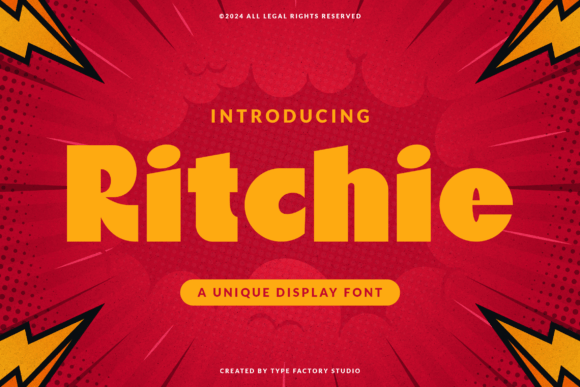
Ritchie distinguishes itself through its unconventional letterforms and modern aesthetic. Unlike traditional sans-serif or serif fonts, Ritchie embraces asymmetry and dynamic shapes that lend a sense of movement and energy to text. Each character is carefully crafted to balance artistic flair with functional legibility, making it a versatile option for headline use.
The font’s bold strokes and open counters ensure that it remains readable even at a distance, which is especially important for print applications like posters and signage. Its design avoids excessive ornamentation, allowing it to maintain a clean and contemporary feel while still offering a distinctive personality.
Practical Applications for Ritchie
Ritchie shines in contexts where visual impact is key. It’s particularly well-suited for:
- Brand logos that need to stand out in competitive markets
- Editorial headlines in magazines or online publications
- Event posters and promotional materials
- Creative packaging designs that require a modern edge
- Digital banners and social media graphics
While Ritchie is not intended for long-form body text, it excels as a display font that commands attention and conveys a sense of confidence and originality. When paired with more neutral typefaces for subheadings or body content, it creates a compelling visual hierarchy that guides the viewer’s eye naturally.
Performance in Real-World Design Scenarios
Designers who have used Ritchie in client work often note its effectiveness in branding projects where a modern, slightly edgy tone is desired. For example, a boutique coffee shop looking to convey a sense of urban sophistication might use Ritchie in its logo and storefront signage, complementing it with a clean sans-serif for supporting text.
In digital applications, Ritchie maintains its clarity across screen sizes, though it’s important to test its legibility on mobile devices. The font’s strong forms hold up well in responsive design environments, especially when used sparingly for headlines or call-to-action buttons.
Usability and Flexibility Across Platforms
Ritchie is designed with cross-platform compatibility in mind. Whether you're working in Adobe Creative Suite, Figma, or web development environments, the font integrates smoothly and renders consistently. Its file formats typically include OTF and WOFF, ensuring compatibility for both print and digital use cases.
From a usability standpoint, Ritchie offers a balanced character set with standard ligatures and alternates that allow for subtle customization. While not as extensive as some variable fonts, these features give designers enough flexibility to tailor the typeface to specific aesthetic goals without overwhelming the workflow.
Who Benefits Most from Using Ritchie?
Professionals who work in branding, advertising, editorial design, and UI/UX will find Ritchie particularly valuable. Entrepreneurs launching new brands can use it to establish a strong visual identity, while marketers can leverage its bold presence in campaign materials to increase engagement.
Creative freelancers and agencies may appreciate how Ritchie differentiates their work from more generic design templates. Educators and publishers aiming for visually engaging materials—such as infographics or presentation slides—can also benefit from its expressive nature without compromising on professionalism.
Quality and Long-Term Value
One of the key strengths of Ritchie is its high-quality vector outlines, which ensure sharp rendering at any size. This technical precision contributes to its reliability across both print and digital outputs. Additionally, the font’s stylistic balance ensures it doesn’t become dated quickly, which is a common issue with overly trendy typefaces.
When evaluating fonts for long-term use, it’s important to consider whether they will remain relevant as design trends evolve. Ritchie strikes a balance between modernity and timelessness—its distinctive features feel current without being overly niche, making it a solid investment for ongoing creative work.
Considerations and Limitations
Despite its many strengths, Ritchie is not a one-size-fits-all solution. Due to its stylized forms, it may not be appropriate for formal or conservative contexts such as legal documents or academic publishing. It also requires thoughtful pairing with complementary fonts to avoid visual overload.
Designers should be mindful of how font weight and spacing affect readability, especially in smaller sizes or on low-resolution screens. While Ritchie works well in large format print, its intricate details may not render crisply in certain digital environments without careful optimization.
Final Thoughts: Is Ritchie Right for Your Project?
Ritchie is a compelling option for designers seeking a bold, expressive font that brings character without sacrificing usability. Its artistic yet functional design makes it a valuable tool for branding, editorial, and marketing applications where visual impact is essential.
If your project calls for a modern, confident typographic voice and you’re working in contexts where display type is appropriate, Ritchie is worth considering. It’s especially effective when used with intention and paired thoughtfully with supporting typefaces. For those looking to add a touch of originality and edge to their design work, Ritchie offers a reliable and distinctive choice that stands out in a crowded typographic landscape.