Grunge Letter: A Bold Statement in Modern Typography
Typography is more than just choosing a font that looks good. It’s about conveying emotion, setting tone, and capturing attention. In today’s design landscape, where visual impact often determines engagement, the right typeface can make or break a project. Enter Grunge Letter — a contemporary display font that doesn’t just speak, it shouts with confidence and charisma.
With its dramatic contrast between uppercase and lowercase forms, Grunge Letter isn’t just another font in the crowd. It’s a visual experience. Each glyph is crafted to stand out, blending modern flair with a rugged, athletic edge that makes it ideal for designers looking to push boundaries and challenge expectations.
Understanding the Design Language of Grunge Letter
The beauty of Grunge Letter lies in its deliberate imbalance. Uppercase letters are bold and commanding, while lowercase forms are more intricate and detailed, creating a visual rhythm that’s both dynamic and engaging. This contrast isn’t just aesthetic — it serves a purpose. In branding, advertising, and editorial design, this typeface can help guide the viewer’s eye through a composition with subtle emphasis and intentional pacing.
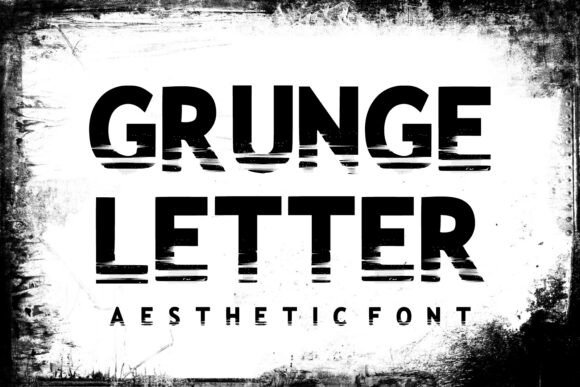
What sets Grunge Letter apart from other display fonts is its texture. It carries a subtle, grungy texture that gives it a tactile feel, almost like it was screen-printed onto a poster or etched into metal. This quality makes it especially effective in print media, packaging, and digital graphics where authenticity and edge are key.
When to Use Grunge Letter in Your Projects
Because of its strong personality, Grunge Letter is best used in contexts where impact is the goal. It shines in:
- Brand identities for bold, rebellious, or youth-driven companies
- Poster and flyer design where legibility is less critical than visual punch
- Logos for music labels, streetwear brands, or creative studios
- Social media graphics that need to stand out in fast-scrolling feeds
That said, it’s not a one-size-fits-all solution. Using Grunge Letter in long-form text or body copy would likely overwhelm the reader. Its strength lies in its ability to command attention — not to sustain it over paragraphs of reading.
Pairing Grunge Letter with Complementary Fonts
Designers often pair Grunge Letter with more neutral typefaces to balance its intensity. For example:
- Minimalist sans-serif fonts like Helvetica or Futura help ground the design and provide a clean contrast.
- Monospaced fonts can create a retro or tech-inspired vibe when combined with Grunge Letter's edginess.
- Script fonts add a touch of elegance or playfulness, depending on the style, balancing out Grunge Letter’s grit.
The key is to maintain visual hierarchy. Use Grunge Letter for headlines or call-to-action elements, and keep supporting text simple and readable.
Grunge Letter in the Digital Age
While it has a distinctly analog feel, Grunge Letter is surprisingly versatile in digital environments. Its textured strokes render well on high-resolution screens, and its strong character shapes make it recognizable even at a glance. It’s especially effective in:
- Website headers that need to grab attention immediately
- Mobile app splash screens where visual impact is crucial
- Email marketing banners that compete for attention in crowded inboxes
Many designers use Grunge Letter in UI/UX mockups to evoke a certain mood or brand personality early in the design process. While it may not be suitable for full interface implementation, it helps stakeholders visualize the tone of the project.
Practical Considerations for Using Grunge Letter
Before diving into a project with Grunge Letter, consider the following:
- Licensing: Ensure the font is properly licensed for your intended use, especially for commercial applications.
- File formats: Check if the font includes web-optimized versions if you plan to use it on a website.
- Language support: If your project requires multilingual content, verify that the font supports the necessary character sets.
- Customization: Some versions of Grunge Letter allow for stylistic alternates or ligatures, which can enhance its visual appeal in specific applications.
Also, be mindful of color and background. Grunge Letter often looks best on solid, high-contrast backgrounds — think white text on black, or bold colors that make the font pop. Avoid busy textures or gradients that might obscure its detail.
Real-World Examples of Grunge Letter in Action
Let’s take a look at how different industries are using Grunge Letter creatively:
- Musicians and festivals use it for album covers and event posters to convey energy and raw emotion.
- Streetwear brands incorporate it into logo design and packaging to align with a bold, urban aesthetic.
- Content creators apply it in YouTube thumbnails and Instagram stories to stand out in visually saturated feeds.
In each case, the font isn’t just decorative — it’s part of the storytelling. It communicates attitude, rebellion, and authenticity, which resonate with younger audiences and niche markets.
Is Grunge Letter Right for Your Next Project?
If your goal is to create something memorable, attention-grabbing, and emotionally resonant, then Grunge Letter could be the perfect choice. It’s not a font for the faint of heart, but when used strategically, it can elevate your design from ordinary to unforgettable.
Consider your audience, your message, and your medium before committing. Test it in different sizes, colors, and contexts to see how it performs. And above all, don’t be afraid to experiment — after all, that’s what Grunge Letter was made for.