Embrace the Charm of Weird Inside: A Bold Display Font with Personality
When it comes to typography, the right font can transform a simple message into something unforgettable. Weird Inside is one of those rare typefaces that manages to be both bold and whimsical, retro and modern, all at once. It’s the kind of font that makes you stop and take notice, not just for its visual flair but for the emotion it conveys. Whether you're designing a logo, a t-shirt, or a poster, this display font brings a unique flavor that’s hard to replicate with more conventional choices.
A Typeface That Speaks Volumes
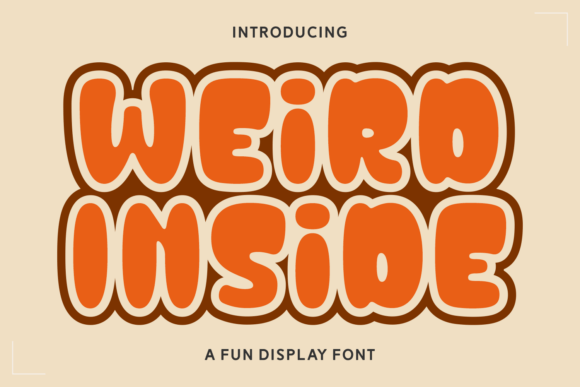
Weird Inside isn’t just another font—it’s a statement. The design blends the nostalgic charm of mid-century typography with the soft, approachable feel of a sweet, handwritten style. Its letterforms are slightly irregular, giving it a humanized, almost playful character that feels less machine-made and more like it was crafted by hand. This balance makes it ideal for projects that require a touch of personality without sacrificing clarity or professionalism.
Visually, Weird Inside stands out with its rounded edges and slightly exaggerated curves. It leans into a retro aesthetic without feeling outdated, and its bold weight ensures it commands attention without overwhelming the design. It’s a versatile font that walks the line between being fun and functional, making it a go-to option for creative professionals who want to inject a sense of charm into their work.
Where Weird Inside Shines
Because of its expressive nature, Weird Inside works best in contexts where visual impact matters. It excels in short-form text like headlines, titles, and quotes, where its character can shine without compromising readability. Designers often reach for it when creating logotype elements, social media graphics, and editorial layouts where a touch of quirkiness is welcome.
- Branding: Perfect for lifestyle brands, creative studios, and boutique businesses looking to stand out.
- Packaging design: Adds a memorable visual hook to product labels and merchandise.
- Print materials: Ideal for posters, greeting cards, and zines that benefit from a personal touch.
- Web and UI design: Use it sparingly in web headers or app interfaces to add a humanized feel.
It’s important to note that Weird Inside is best used in supporting roles rather than for long blocks of body text. Its strength lies in its ability to draw the eye and create a focal point, not in extended reading scenarios.
Designing with Purpose: How Weird Inside Influences Perception
Typography plays a subtle but powerful role in shaping how audiences perceive a brand or message. Weird Inside’s personality immediately communicates creativity, approachability, and a sense of fun. When used thoughtfully, it can help establish a strong brand identity that feels both modern and nostalgic.
Its bold presence can elevate visual hierarchy, guiding the viewer’s attention naturally through a layout. In branding, this means your logo or tagline can stand out more effectively. In editorial design, it helps create rhythm and visual breaks between sections. Even in digital spaces like social media graphics, Weird Inside can help your content pop in a crowded feed.
However, like any premium font, Weird Inside requires careful handling. Overuse or improper pairing can dilute its impact. Consider how it interacts with other design assets in your project, and always test it across different mediums and sizes before finalizing your design.
Choosing and Using Weird Inside: Practical Tips
Before incorporating Weird Inside into your next project, consider the tone and purpose of your design. Does the font align with your brand voice? Will it support—not overshadow—your message? Here are a few practical steps to help you evaluate and use the font effectively:
- Test readability: Zoom out and check how the font performs at different sizes, especially for print or mobile use.
- Review included styles: Many display fonts come with alternate characters or ligatures that can enhance your design.
- Pair wisely: Use a clean sans serif or serif font alongside Weird Inside to maintain balance and readability.
- Check licensing: Ensure the font is cleared for commercial use, especially if you're designing for clients or products.
When pairing Weird Inside with other typefaces, aim for contrast without clashing. A minimalist sans serif like Helvetica or a soft serif like Georgia can provide a grounding effect that lets Weird Inside take center stage without overwhelming the layout.
Real-World Applications and Design Observations
Designers have found creative ways to incorporate Weird Inside into a variety of projects. One popular application is in packaging design for small-batch food products and artisanal goods. The font’s handcrafted feel aligns perfectly with brands that want to emphasize authenticity and care in their craftsmanship.
In web design, it’s often used in hero headers or call-to-action buttons to add a touch of warmth and personality. On social media, Weird Inside has become a favorite among lifestyle bloggers and content creators who want their graphics to feel more personal and less corporate.
One thing to keep in mind: while Weird Inside is packed with charm, it’s not a one-size-fits-all solution. It thrives in environments where it can be the star of the show, not buried in a sea of competing elements. Always give it space to breathe and let its character shine through.
Final Thoughts
Weird Inside is more than just a font—it’s a tool for storytelling. Whether you're designing a logo, a quote graphic, or a product label, this creative font offers a unique blend of retro appeal and modern versatility. When used with intention and care, it can elevate your designs from ordinary to unforgettable. So if you're looking for a display font that adds personality without sacrificing professionalism, give Weird Inside a try. It might just be the missing piece your project needs.