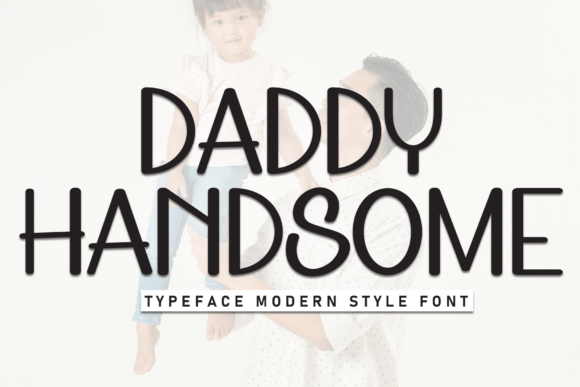
Daddy Handsome: A Font That Balances Simplicity and Charm
Choosing the right font can make or break a design. That’s where Daddy Handsome comes in — a display font that effortlessly blends clean, modern aesthetics with a warm, approachable feel. Whether you're working on branding, packaging, or digital content, this font adds a personal touch without sacrificing professionalism. But like any design tool, it's only as effective as how you use it. Let’s explore what makes Daddy Handsome stand out, where people often go wrong with it, and how to get the most out of its unique style.
What Makes Daddy Handsome Special?
Daddy Handsome isn’t just another handwritten font. Its clean lines, balanced letterforms, and subtle rounded edges give it a polished look that feels both modern and personable. It’s designed to mimic the organic flow of handwriting but with enough structure to maintain readability and versatility. This makes it a go-to choice for designers looking to inject warmth into their work without veering into overly casual territory.
From logo design to social media graphics, Daddy Handsome adapts well to a variety of uses. It works especially well when you want to create a sense of approachability — think food packaging, boutique branding, or children’s content. However, its charm can be easily overused or misapplied if not handled with care.
1. Using It for Long Blocks of Text
One of the most common missteps is using Daddy Handsome for body copy or long paragraphs. While it’s great for headlines and short bursts of text, its stylized letterforms can make extended reading tiring for the eye. The font’s rounded edges and organic flow, while visually appealing, aren’t optimized for the uniformity needed in long-form content.
Better approach: Use Daddy Handsome for headings, subheadings, or short captions. Pair it with a clean sans-serif or serif font for body text to maintain readability and visual harmony.
2. Overlooking Licensing Details
Another overlooked detail is the font’s licensing terms. Many designers download or purchase fonts without checking whether the license allows for commercial use, web embedding, or print distribution. This can lead to legal issues, especially for entrepreneurs or small business owners who use the font in marketing materials or product packaging.
Better approach: Always review the licensing agreement before downloading or purchasing. Make sure it covers the intended use, especially if you're working on a client project or commercial product.
3. Assuming It Works for Every Style
While Daddy Handsome has a versatile personality, it’s not a one-size-fits-all solution. Some designers try to force it into projects where a more formal or minimalist font would be more appropriate — such as legal documents, corporate reports, or high-tech branding. In these cases, the font’s friendly tone can clash with the intended message.
Better approach: Consider the tone of your project before choosing a font. If the goal is to convey professionalism or authority, opt for a more structured typeface. Daddy Handsome shines best when warmth and approachability are key.
Pair It Thoughtfully
Font pairing is crucial for visual balance. Since Daddy Handsome is a display font with a handwritten style, it pairs best with simple, neutral fonts that let it stand out. Sans-serif fonts like Open Sans or Lato provide a clean contrast, while serif fonts like Merriweather add a touch of elegance without competing for attention.
- Try this combo: Use Daddy Handsome for headlines and Lato for body text in a blog post layout.
- Avoid: Combining it with other decorative or script fonts, which can lead to visual clutter.
Test Across Mediums
What looks great on a screen might not translate well to print or mobile devices. The subtle curves and spacing in Daddy Handsome can sometimes appear inconsistent at smaller sizes or on low-resolution displays.
Pro tip: Always preview the font at different sizes and on various platforms before finalizing your design. If it starts to lose clarity or impact, consider adjusting the size or switching to a simpler alternative for certain elements.
Don’t Skip Kerning and Spacing Adjustments
Handwritten-style fonts often require manual tweaking to ensure even spacing and visual harmony. Auto-kerning tools in design software might not always handle the unique letterforms of Daddy Handsome perfectly.
Better approach: Take a few extra minutes to fine-tune the spacing between letters, especially in logos or headlines. This small adjustment can significantly improve readability and visual appeal.
What to Check Before Using Daddy Handsome
Before incorporating any font into your project, especially one as distinctive as Daddy Handsome, take a moment to verify a few key factors:
- Availability: Is the font available on platforms you use, like Adobe Creative Cloud, Figma, or Canva?
- Character Set: Does it include uppercase, lowercase, numbers, and punctuation? Some display fonts are limited in character variety.
- Language Support: If your project involves non-English text, check whether the font supports special characters or accents.
- File Formats: Are you getting both OTF and TTF versions? Some applications work better with one format over the other.
Final Thoughts
Daddy Handsome is a standout font that brings personality and clarity to a wide range of design projects. Its clean yet friendly style makes it a favorite among creatives who want to balance professionalism with warmth. But like any design element, it requires thoughtful application to avoid common pitfalls.
By understanding its strengths, avoiding typical mistakes, and pairing it wisely with other fonts, you can make the most of what Daddy Handsome has to offer. Whether you're a blogger, small business owner, or graphic designer, taking a few extra steps to evaluate and use the font correctly can elevate your work and ensure your message comes through clearly — and beautifully.