Creative Typography Made Approachable: Exploring the Study Font
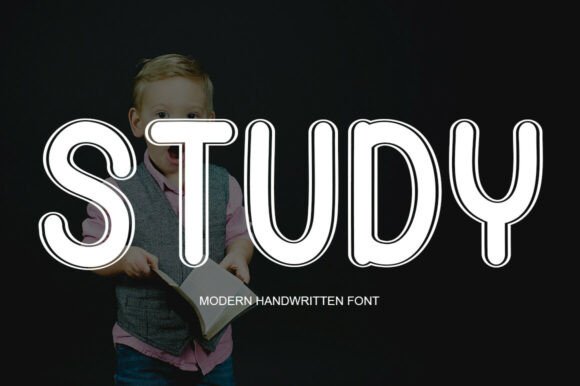
Typography plays a central role in design, shaping how audiences perceive and connect with visual content. Among the many display fonts available today, Study stands out as a modern, expressive choice that blends playful energy with refined craftsmanship. Designed with rounded edges and fluid letterforms, Study offers a warm, handcrafted aesthetic that feels both spontaneous and intentional. Whether you're creating a logo, designing social media assets, or working on print materials like invitations or greeting cards, this font introduces a sense of approachability without sacrificing style.
What Makes Study Unique?
At first glance, Study distinguishes itself through its smooth, rounded strokes and expressive character shapes. Unlike rigid, geometric typefaces that can feel clinical or overly structured, Study embraces a more organic flow that mimics handwriting or brush-painted lettering. This gives it a sense of warmth and authenticity, making it ideal for projects that aim to feel personal or human-centered.
One of Study’s defining traits is its balance between playfulness and professionalism. It avoids the overly whimsical look that can sometimes make a font feel out of place in serious contexts, while still maintaining enough character to stand out. The font’s consistent baseline and even spacing ensure readability, even at smaller sizes, which is a key advantage when working across different formats.
When Study Fits Best
Study shines in design scenarios that benefit from a friendly, modern tone. It works particularly well for:
- Brand identities aiming for a youthful, approachable image
- Event invitations where warmth and creativity are key
- Marketing materials targeting younger audiences or lifestyle brands
- Social media graphics that need personality without being overwhelming
If you're designing for a brand that wants to appear personable, innovative, or community-oriented, Study can be a strong typographic ally. It also pairs well with clean sans-serif fonts in multi-layered compositions, offering contrast without visual conflict.
Comparing Study to Similar Fonts
There are many display fonts on the market that aim to capture a casual, expressive feel. Some lean heavily into the handwritten aesthetic, while others prioritize structure and uniformity. Study finds a middle ground—neither too loose nor too formal.
Compared to fonts that are strictly brush-script or chalk-style, Study offers a more refined structure. It maintains legibility and consistency across letters, which can be a challenge in more stylized alternatives. On the other hand, when stacked against minimalist script fonts, Study brings more visual interest and emotional tone to the table.
One tradeoff to consider is that Study may not be ideal for projects that require a classic or formal tone. In branding or editorial contexts where elegance or tradition is a priority, a more structured serif or serif-replacement font might be a better fit.
Strengths and Limitations
Like any design tool, Study has its advantages and constraints. Understanding these can help you determine whether it aligns with your current project goals.
Key Strengths:
- Expressive yet legible – The rounded forms and smooth transitions enhance readability without losing character
- Versatile application – Works well across digital and print formats
- Modern aesthetic – Aligns with current design trends that favor warmth and authenticity
Potential Limitations:
- Not suited for formal settings – May feel out of place in legal, academic, or corporate environments
- Limited character set in some versions – Depending on the source, certain glyphs or language support may be restricted
- May require careful pairing – Overuse or poor font pairing can lead to a cluttered look
How to Use Study Effectively
To get the most out of Study, it's important to consider how it interacts with other design elements. Here are a few practical tips:
- Pair with a neutral sans-serif – Use a clean, modern sans-serif like Montserrat or Lato for subheadings and body text to maintain balance
- Use for short bursts of text – Study works best in titles, headlines, and callouts rather than long paragraphs
- Consider color and contrast – Light backgrounds with dark text or vice versa help maintain legibility
- Test in different formats – Always preview how the font looks across screen sizes and print dimensions
Alternatives to Consider
While Study is a compelling option for many design needs, it's not the only choice available. Depending on your specific use case, you might explore other display fonts that offer similar warmth and personality. Some alternatives to consider include:
- Quicksand – A rounded sans-serif that offers a similar friendly tone but with a more structured appearance
- Amatic SC – A handwritten-style font with more variation in stroke weight, ideal for playful, informal designs
- Nunito – Combines soft curves with a slightly more formal structure, making it suitable for both UI and print
Each of these options has its own strengths and ideal use cases. The decision often comes down to the specific tone you're aiming to set and how the font will function within the broader design system.
Final Thoughts: Is Study Right for Your Project?
Study is a strong contender in the world of expressive display fonts, offering a unique blend of friendliness and polish. It’s especially well-suited for creative professionals, small businesses, and brands that want to communicate warmth, modernity, and approachability through their visual identity.
However, it’s important to evaluate your project’s broader needs before committing. If your design requires a more formal or traditional tone, or if you're working within a strict brand guideline that doesn’t accommodate stylized fonts, Study may not be the best match. But for those seeking to inject personality into their work without sacrificing clarity, Study is definitely worth exploring.