Chocoland: A Bold, Playful Display Font for Modern Design Projects
Understanding Chocoland and Its Design Origins
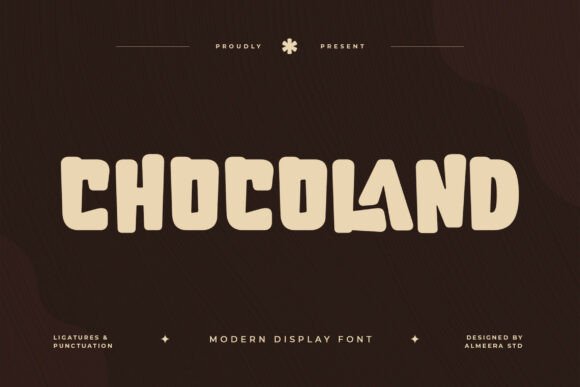
Chocoland is a contemporary display font that draws inspiration from the bold aesthetics of chocolate packaging and the lively nature of modern branding. Its design merges chunky letterforms with subtly rounded edges, creating a visual effect that feels both indulgent and confident. Unlike many display fonts that lean heavily into stylization at the expense of readability, Chocoland maintains a balanced approach, making it suitable for a variety of design applications without sacrificing personality.
Key Characteristics That Set Chocoland Apart
At first glance, Chocoland stands out due to its robust structure and soft contours. These characteristics contribute to its dual appeal: it feels approachable yet assertive, making it an ideal choice for brands looking to communicate warmth and strength simultaneously. The font’s weight distribution is even across characters, which helps maintain visual harmony in headlines and short text blocks.
- Chunky forms for high impact and visibility
- Soft edges that add a touch of playfulness
- PUA encoding for easy access to extended glyphs and stylistic alternates
This combination of traits makes Chocoland particularly effective in branding and packaging scenarios where visual appeal and legibility must coexist.
Practical Applications for Chocoland
While Chocoland is not intended for long-form body text, it shines in contexts that demand attention and personality. It’s especially well-suited for:
- Food packaging, particularly in confectionery and dessert-related branding
- Posters and promotional materials that require bold, eye-catching typography
- Logos and brand identities aiming for a modern yet friendly tone
- Headlines and subheadings in digital and print media
Designers working on product packaging for bakeries, chocolate shops, or casual dining concepts may find Chocoland to be a compelling choice. Its visual warmth can help establish a sense of familiarity and trust with consumers.
Usability and Glyph Support
One of Chocoland’s standout features is its PUA encoding, which allows users to access all available glyphs, swashes, and alternate characters without requiring special software or complex workflows. This level of accessibility is particularly beneficial for designers who want to add typographic flourishes without relying on additional font files or third-party tools.
For those using design platforms like Adobe Illustrator, Photoshop, or Canva, integrating Chocoland’s alternate characters is straightforward. This flexibility supports creative customization without compromising consistency across design elements.
Real-World Performance and Design Integration
In practice, Chocoland performs well in environments where visual impact is more critical than prolonged readability. For example, when used in a café’s logo or a chocolate bar’s label, the font’s rounded edges and bold presence communicate a sense of indulgence and quality. It pairs especially well with clean, minimalist sans-serif fonts for supporting text, creating a strong visual hierarchy.
However, designers should be mindful of context. In applications where clarity and neutrality are paramount—such as corporate reports or formal invitations—Chocoland may not be the most appropriate choice. Its playful nature, while a strength in many cases, can become a limitation when a more subdued tone is required.
Who Benefits Most from Using Chocoland?
Chocoland is particularly valuable for creative professionals working in brand design, packaging, and marketing materials. Entrepreneurs launching food-related businesses, freelancers designing logos for clients, and bloggers creating engaging visual content can all benefit from this font’s expressive qualities.
For small business owners and independent creators, Chocoland offers a cost-effective way to elevate design without requiring extensive typographic knowledge. Its intuitive use and wide glyph support make it accessible even to those with limited design experience.
Professional Considerations and Limitations
Like any display font, Chocoland has its limitations. It’s best used in short bursts—headlines, logotypes, and branding elements—rather than extended text. Additionally, while its soft edges give it a friendly appeal, this same characteristic may not align with brands aiming for a more refined or luxurious aesthetic.
Designers should also consider how Chocoland interacts with other fonts in a given project. While it pairs well with simple sans-serif typefaces, combining it with overly decorative fonts can lead to visual clutter. A thoughtful typographic hierarchy is essential to ensure clarity and balance.
Final Thoughts: Is Chocoland Worth Considering?
Chocoland delivers a compelling mix of boldness and charm, making it a solid choice for projects that require expressive, modern typography. Its chunky structure and soft edges offer a fresh alternative to more rigid display fonts, while its PUA encoding enhances usability across design platforms.
For professionals seeking a font that balances fun and confidence—particularly in food-related branding—Chocoland is worth exploring. It offers practical value, aesthetic appeal, and flexibility, especially when used in the right context. As with any design asset, success with Chocoland depends on understanding its strengths and applying it thoughtfully within a broader design strategy.