Blompsy: Adding Groovy Energy to Creative Workflows
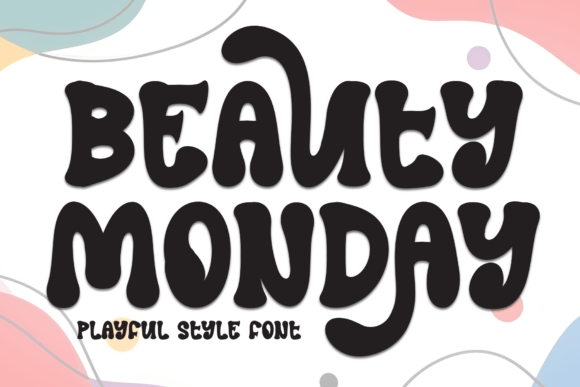
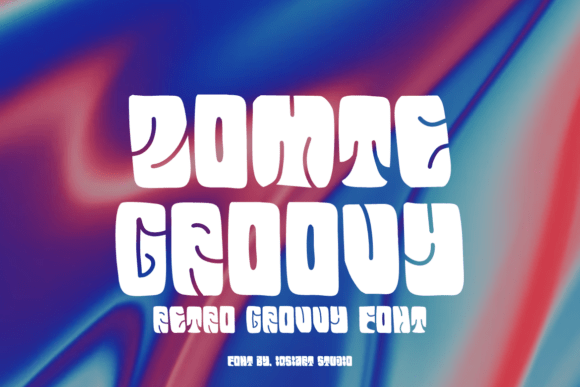
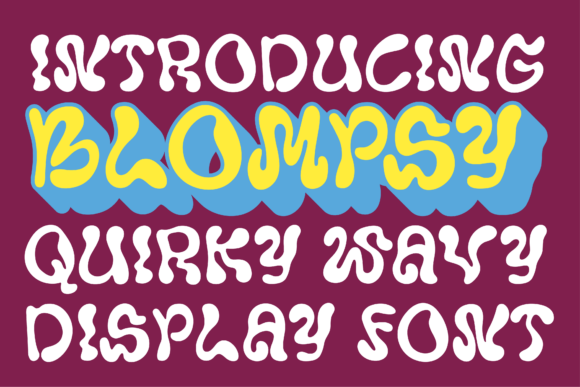
Blompsy is more than just a font—it’s a stylistic statement that brings a psychedelic, retro-inspired flair to modern design projects. With its wavy, quirky letterforms and bold presence, Blompsy stands out as a title font that commands attention. Whether you're crafting music posters, album covers, or social media graphics, Blompsy fits seamlessly into creative workflows that demand a unique, eye-catching aesthetic.
Understanding Blompsy in the Design Ecosystem
Blompsy belongs to a category of experimental fonts that bridge the gap between vintage charm and contemporary design sensibilities. It’s not just about aesthetics; it's about how this font functions within a broader design process. From initial concept to final delivery, Blompsy can influence the tone and direction of a project, especially when the goal is to evoke a psychedelic or retro vibe.
Designers often start with a visual mood board or brand identity framework. In that context, Blompsy can serve as an anchor element—its presence early in the process helps define the overall direction. For example, a music branding project might begin with a discussion around 60s and 70s aesthetics, and Blompsy’s character can help solidify that visual language before any layout work begins.
Using Blompsy Before the Creative Process
Before diving into design tools like Adobe Illustrator or Canva, it’s important to understand how a font like Blompsy aligns with your project’s goals. Consider the following:
- Tone and Audience: Does your project require a playful, experimental look? Blompsy works best for audiences that appreciate retro culture, music branding, or alternative aesthetics.
- Brand Consistency: If you're working within an existing brand system, test Blompsy against other visual assets to ensure it complements rather than clashes.
- Technical Compatibility: Check that your design platform supports TTF and OTF formats. Blompsy includes uppercase, lowercase, numbers, and punctuation, making it versatile for titles and short-form text.
By evaluating these factors ahead of time, you reduce the risk of needing to backtrack later in the process, which helps maintain efficiency and creative momentum.
Integrating Blompsy During Design Execution
Once you've confirmed that Blompsy fits your project’s needs, it becomes a practical tool during the execution phase. Here are some real-world applications where Blompsy shines:
- Music Posters and Album Artwork: Blompsy’s bold, psychedelic style makes it ideal for gig posters and vinyl covers. Pair it with vintage textures or gradient overlays to enhance the retro effect.
- Social Media Graphics: For platforms like Instagram or TikTok, where visual impact matters, Blompsy can help your headlines stand out in a fast-scrolling feed.
- Merchandise and Apparel Design: Use Blompsy for t-shirt prints, stickers, or tote bags where a quirky, artistic font adds personality and visual appeal.
During layout creation, it's best to use Blompsy for headlines or short text blocks. Its stylized letterforms may reduce readability in longer paragraphs, so reserve it for titles and accent text. This approach ensures legibility while maximizing its visual impact.
Workflow Tips for Using Blompsy
- Layer with Simpler Fonts: To maintain readability and hierarchy, pair Blompsy with clean sans-serif or script fonts for body text.
- Test Across Sizes: Preview Blompsy at different sizes, especially if your design will be viewed on mobile or printed at small dimensions.
- Export and Share Wisely: When collaborating with clients or developers, ensure they have access to the font file or convert text to outlines to preserve appearance across devices.
Post-Design Considerations and Long-Term Use
After finalizing a design that includes Blompsy, consider how it will be used over time. This includes:
- Asset Management: Store font files in a shared brand assets folder to ensure consistency across future projects.
- Version Control: If you're updating a design (e.g., a recurring music event poster), keep a record of which version used Blompsy to maintain visual continuity.
- Print vs. Digital: Blompsy performs well in both formats, but always test print proofs to ensure the font’s texture and weight render as expected.
For entrepreneurs or small business owners, using Blompsy consistently across branding materials—like album covers, social posts, and merchandise—can strengthen brand recognition. Over time, this builds a unique visual identity that sets your brand apart in a competitive market.
Blompsy and the Creative Toolkit
Blompsy doesn’t exist in isolation. It works best when integrated with other tools and design elements. Consider how it interacts with:
- Color Schemes: Psychedelic palettes with gradients, neons, or muted retro tones enhance Blompsy’s visual appeal.
- Graphic Elements: Use abstract shapes, halftones, or organic textures to complement its quirky letterforms.
- Typography Plugins: Tools like Adobe Fonts or web-safe font converters help ensure Blompsy displays correctly across platforms when used online.
Blompsy also plays well with design software that supports custom typography. Whether you're using Figma for digital mockups or Procreate for hand-drawn illustrations, incorporating Blompsy into your toolkit expands your creative options without complicating your workflow.
Practical Implementation Example
Let’s say you’re designing a poster for a live music event. Here’s how Blompsy might fit into your process:
- Research the band’s visual identity and past promotional materials.
- Select a retro-inspired color palette and texture base.
- Import Blompsy into your design software and set the headline text.
- Layer supporting text using a simpler font to maintain readability.
- Export multiple versions for print, web, and social media use.
This structured yet flexible approach ensures that Blompsy contributes meaningfully to the final design without overwhelming the message.
Final Thoughts on Blompsy’s Role in Design Workflows
Blompsy isn’t just a font for the sake of style—it’s a functional asset that supports creative expression and visual storytelling. Whether you're a professional designer, a music promoter, or a small business owner, integrating Blompsy into your workflow can elevate your projects with a distinctive, psychedelic edge.
Its value lies in how it enhances the creative process from planning to execution to long-term use. By understanding how and when to use Blompsy effectively, you ensure that your designs not only stand out but also serve a clear purpose within your broader creative or business strategy.